You have a stack of medical records on your desk that could double as a booster seat. You’ve looked through them. Your paralegal has looked through them. On the surface, the defense’s argument seems solid: "The patient was old, the complications were expected, and our staff followed protocol."
But you know something is wrong. You can feel it. The problem is, you’re looking at a narrative written by the very people you’re suing.
In medical malpractice and nursing home litigation, the "truth" isn't always written in the progress notes. More often than not, it is buried in the metadata, hidden in the gaps of a staffing roster, or tucked away in the "ghost" records of an Electronic Health Record (EHR) system. This is where a Certified Legal Nurse Consultant (CLNC) becomes your most lethal weapon.
At OnPoint Legal Nurse Consulting, we don’t just read records; we interrogate them. With over 25 years of industry leadership, we bridge the gap between complex clinical realities and the legal standards of care. We know where the bodies are buried because we’ve spent decades in those same hospitals and nursing homes.
The EHR Ghost in the Machine: Spotting the "Copy-Paste" Care
The shift from paper charts to Electronic Health Records was supposed to make medicine safer. In reality, it just made it easier to hide negligence. If you are relying on the printed PDF version of a medical record, you are only seeing what the defense wants you to see.
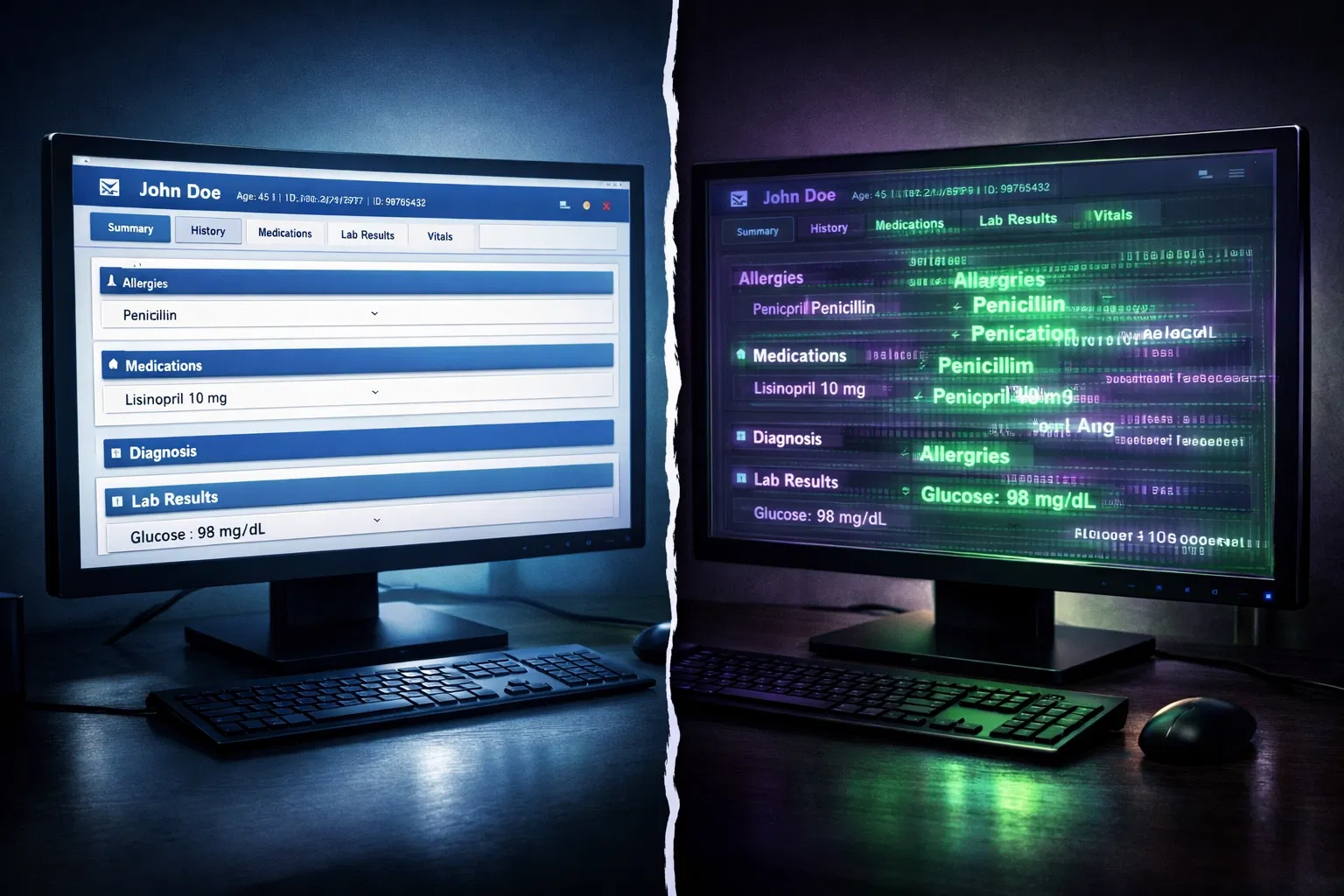
Electronic records are databases, not documents. When a nurse or physician uses the "copy and paste" function: a practice officially known as "cloning": they create a trail of fabricated consistency. We see it all the time: a patient’s lung sounds are described as "clear and equal" for five days straight, even as they are being intubated for acute respiratory failure.

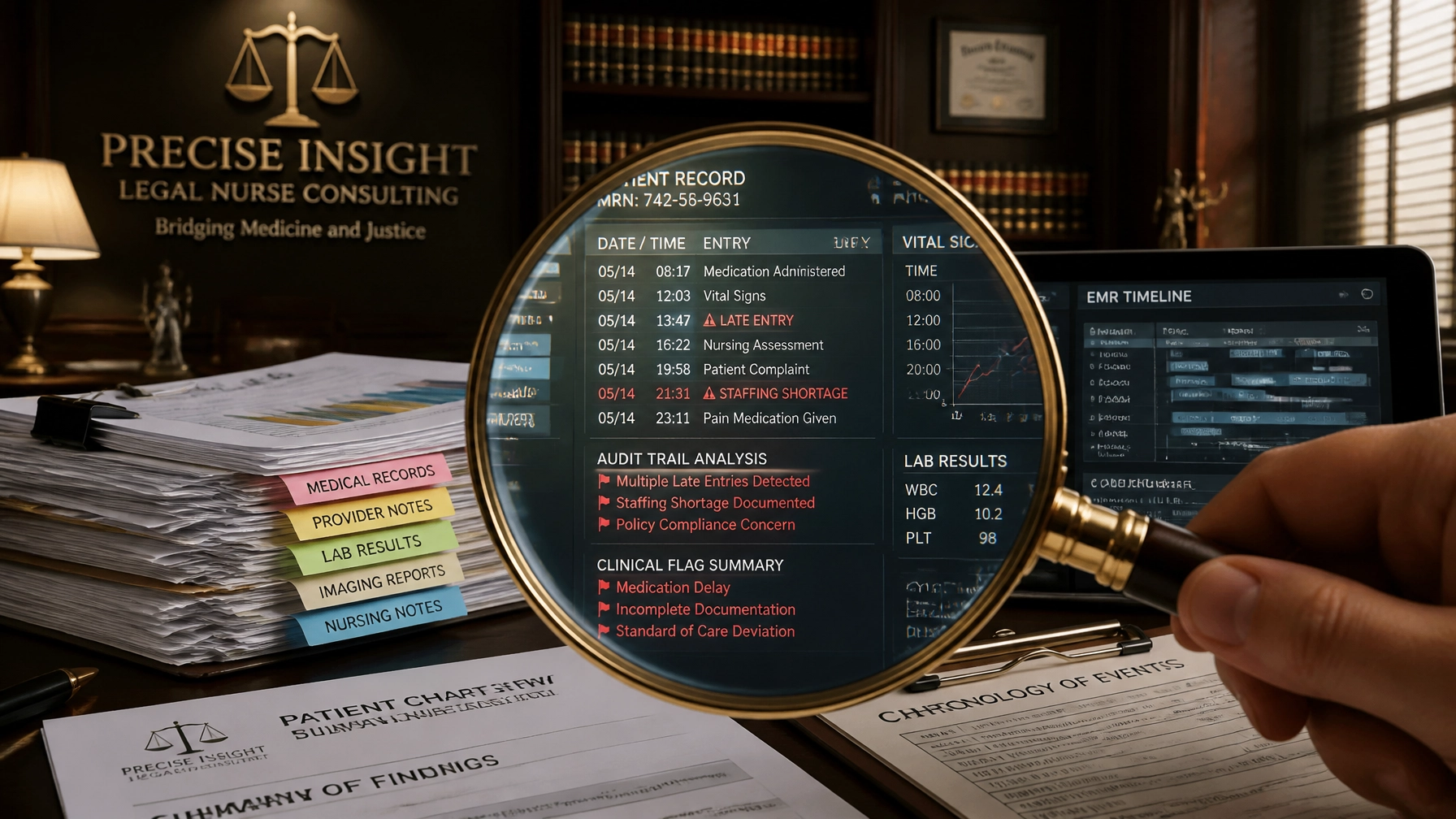
A CLNC doesn't just look at the note; they look at the audit trail. By analyzing the metadata, we can determine exactly when a note was written, who wrote it, and if it was altered after an adverse event occurred. We’ve caught providers "fixing" the record hours: or even days: after a patient coded. This isn't just a clinical error; it’s a smoking gun for liability.
If you aren't spotting copy-paste care before the defense does, you are leaving the strongest part of your case on the table. We help you demand the right data during discovery, ensuring you get the audit logs that reveal the "ghost in the machine."
The Silence Between the Lines: Catching the Notes That Weren't Written
In the legal world, there is an old saying: "If it wasn't documented, it wasn't done." But as an attorney, how do you know what should have been documented in the first place?
You need someone who understands the rhythm of a clinical unit. When a CLNC reviews a chart, we aren't just looking for what is there; we are hunting for the silence between the lines.
Consider a standard nursing home fall case. The defense produces a "Fall Risk Assessment" that claims the resident was a low risk. However, our consultants will look for the missing pieces:
- Where are the neurological checks that should have followed the last "minor" bump?
- Why is there a four-hour gap in monitoring for a patient on high-dose diuretics?
- Where are the physician orders for the bed alarms that were supposedly "malfunctioning"?

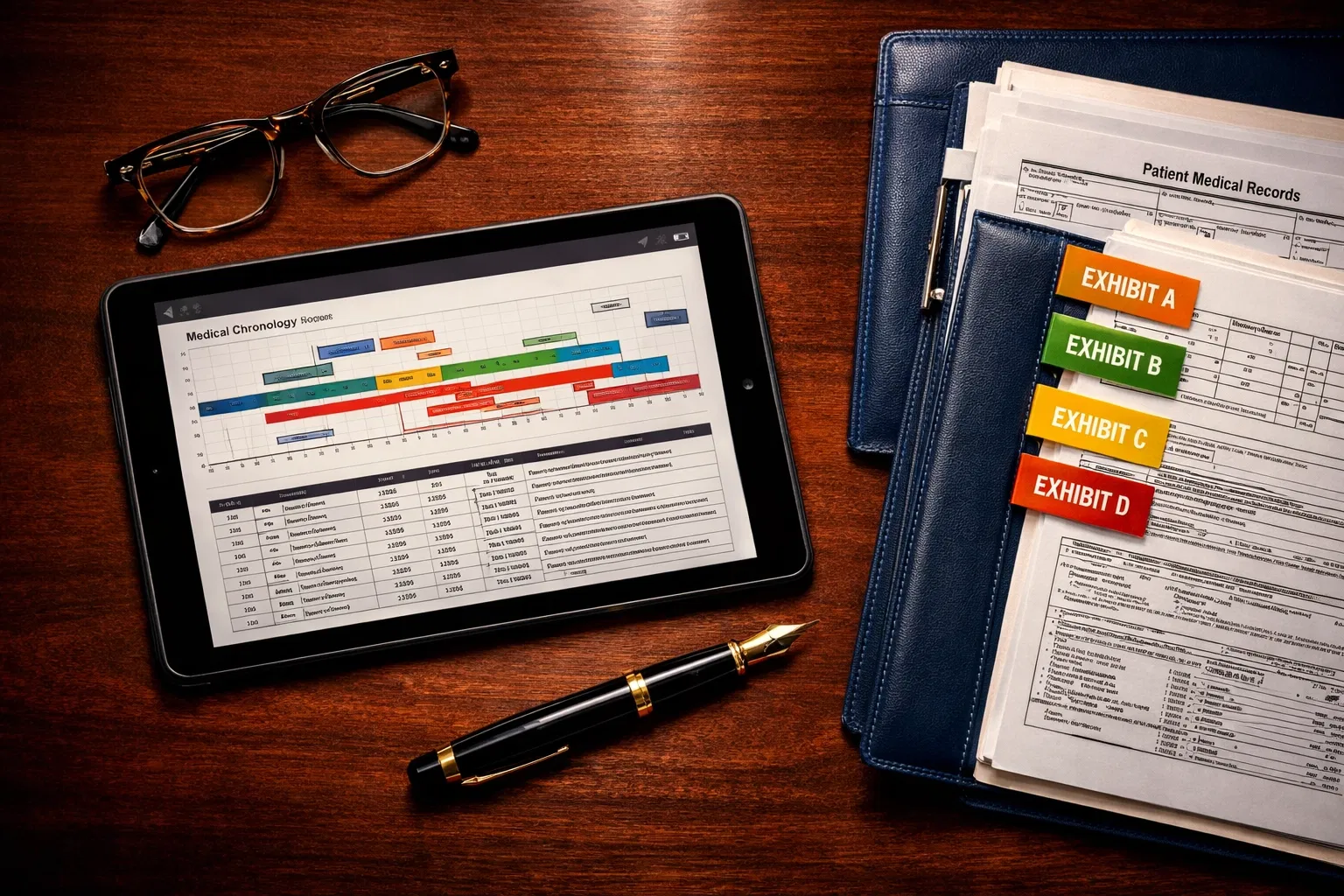
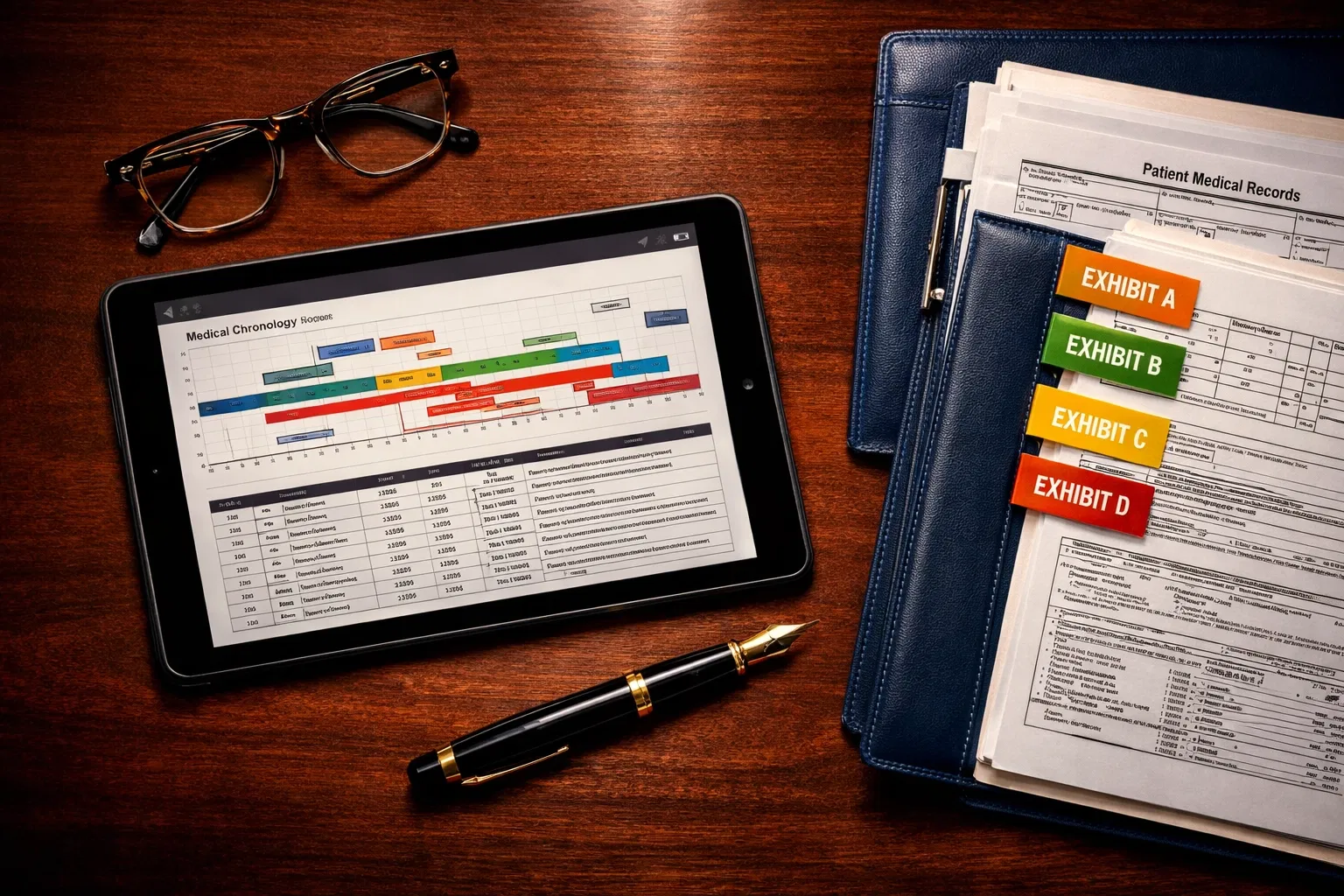
We identify the missing records: imaging studies that were never followed up on, labs that were ordered but never drawn, and nursing assessments that were skipped because the floor was too busy. These gaps aren't just "poor record-keeping." They are evidence of a breach in the standard of care. By reconstructing the timeline, we show the jury not what the facility says they did, but what they actually failed to do.
The Paper Trail Audit: Mining Staffing Records for Systemic Negligence
In nursing home and long-term care cases, the individual nurse is rarely the only one at fault. Usually, the root cause is a systemic failure driven by the "bottom line."
When you sue a facility for a pressure ulcer or a wrongful death, the defense will blame "unavoidable complications." We look at the staffing ratios.

By mining staffing records for hidden negligence, we can correlate patient injuries with periods of extreme understaffing. If a facility has one RN responsible for 40 high-acuity residents, it is physically impossible for that nurse to perform the required "turn and reposition" protocols every two hours.
We analyze:
- Acuity vs. Hours: Did the facility have enough "minutes of care" per resident based on their specific medical needs?
- The "Ghost" Staff: Are they counting administrative nurses who never touched a patient as part of their daily floor staffing?
- Overtime Logs: Was the nurse in charge of your client's care on the 16th hour of a double shift?
This level of analysis turns a simple "accident" into a case of corporate negligence. It moves the needle from a small settlement to a significant verdict because it proves the harm was foreseeable and preventable.
Bridging the Gap: Why 25 Years of Expertise Matters
You wouldn't hire a general practitioner to perform brain surgery. So why would you hire a generalist nurse to consult on a complex medical malpractice case?
The "legal" in Legal Nurse Consultant isn't just a title; it’s a specialty. At OnPoint, we provide clinically current experts who are still working in the field. They know the current standards because they live them every day.

Our role is to be your translator. We take the "medical-speak": the abbreviations, the lab values, the complex physiological processes: and turn it into a narrative that a judge and jury can understand. We don't just give you a summary; we give you a strategy.
From the initial Case Merit Assessment to providing Expert Medical Testimony, we ensure you are never blindsided by the defense’s experts. We identify the strengths of your case early so you don't waste resources on a "lemon," and we highlight the weaknesses so you can address them before you’re in the hot seat at trial.
Don't Guess. Know.
The defense is betting that you won't dig deep enough. They are counting on the volume of records to overwhelm you and the complexity of the EHR to confuse you.
Don't let them.
You handle the law; let us handle the medicine. Whether you are dealing with medical malpractice, nursing home negligence, or a complex personal injury claim, the experts at OnPoint Legal Nurse Consulting are ready to help you maximize your case value.
Ready to uncover the hidden liability in your file?
Submit a case today and let’s get to work. Your opposition is already preparing( you should be too.)