Here's a truth that keeps defense teams up at night: sometimes the most damaging evidence in a medical malpractice case isn't what's written in the chart. It's what's not there.
The missing vital signs during a code. The absent nursing assessment when a patient's condition changed. The four-hour gap in documentation when everything supposedly went sideways. These silences scream louder than any handwritten note ever could.
If you're a plaintiff attorney building a case, you need someone who can read between the lines, literally. That's where a legal nurse consulting firm earns its keep. We don't just review records. We hunt for ghosts.
What Does "Silence" Actually Mean in Medical Records?
Every nurse learns documentation basics in school: if you didn't chart it, you didn't do it. This isn't just a catchy phrase. It's a legal standard that courts take seriously.
Real-time charting exists for a reason. Notes should capture assessments, interventions, physician communications, and patient responses as events unfold. When those notes are missing or delayed, it raises a fundamental question: did the care actually happen?
The silence we're talking about falls into several categories:
- Time gaps: Hours pass with no documentation during a critical period
- Missing vitals: Blood pressure, heart rate, and oxygen saturation simply aren't recorded
- Absent assessments: A patient's condition changes, but no nursing evaluation appears
- Incomplete intervention records: A medication was given, but there's no note about the patient's response
- Communication black holes: No documentation of physician notifications during deterioration
These aren't clerical oversights. They're potential indicators that standard of care wasn't met, and that's where cases are won or lost.
The Red Flags Only Trained Eyes Will Catch
Here's the insider secret: most attorneys aren't trained to spot documentation gaps. Why would they be? They went to law school, not nursing school.
But a legal nurse consultant? We spent years writing these notes. We know what should be there. And when it's missing, alarm bells go off.
Consider a typical nursing home fall case. You've got a patient with a documented fall risk. Standard protocol requires regular assessments, bed alarms, and frequent checks. Now imagine reviewing records that show:
- A fall risk assessment on admission
- Nothing for 72 hours
- Then suddenly, an incident report for a fall with a hip fracture
That 72-hour gap isn't just sloppy charting. It's a roadmap to negligence. Were the required checks performed? Was the bed alarm activated? Did anyone reassess the patient's mobility? The silence tells you everything.
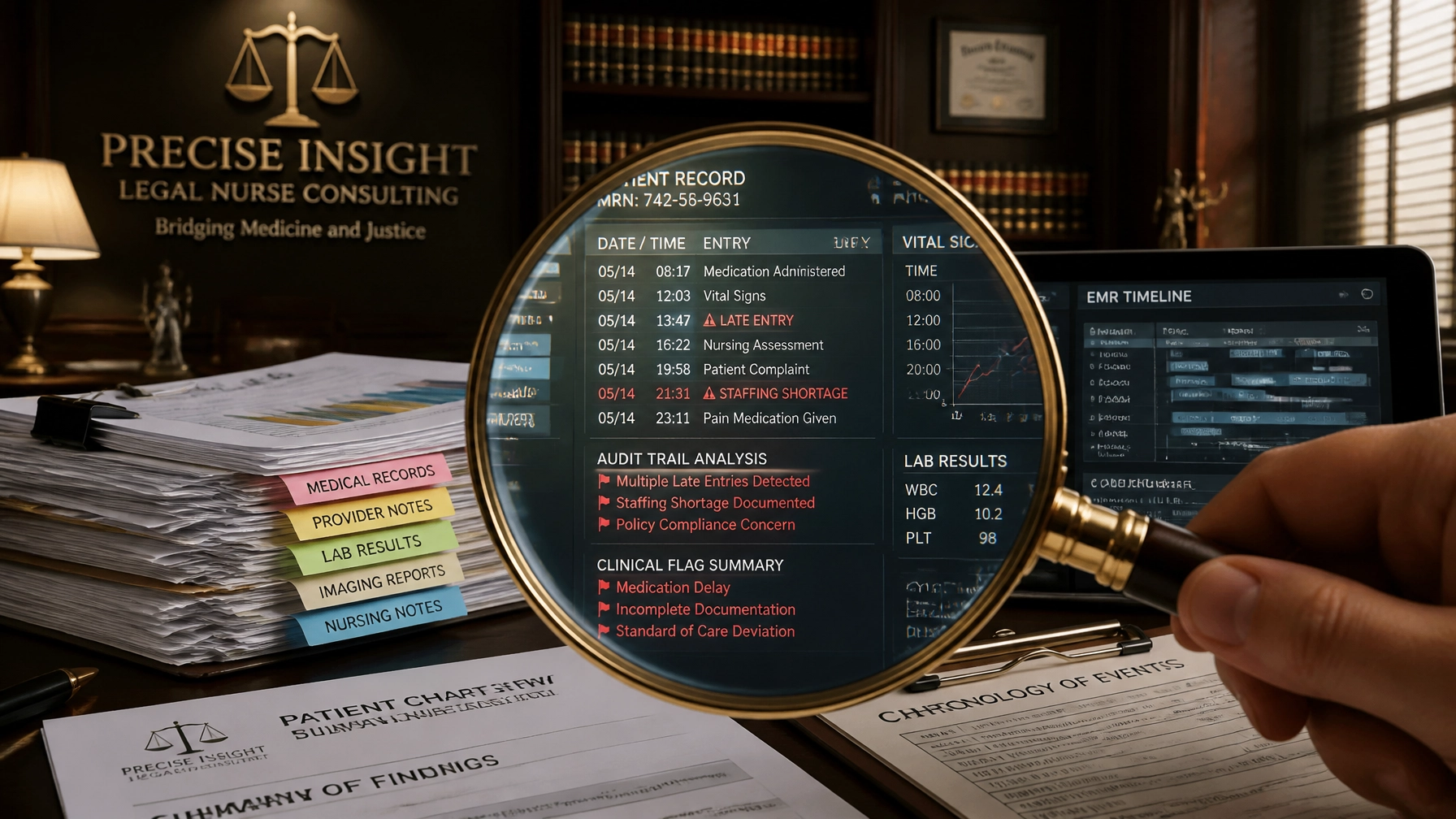
Medical-legal consulting professionals dig into these gaps systematically. We cross-reference nursing notes with physician orders, medication administration records, and lab results. When the pieces don't fit together, we find out why.
Where Documentation Gaps Hide in Plain Sight
Not all silences are obvious. Some are buried in the structure of the medical record itself.
Vital signs during emergencies: When a patient codes or rapidly deteriorates, documentation often becomes fragmented. Nurses are busy saving lives: charting takes a back seat. But here's the thing: there should still be a code sheet, a rapid response record, or retrospective documentation. When none of that exists? Red flag.
Shift change transitions: The handoff between shifts is a vulnerable time. Outgoing nurses summarize; incoming nurses assess. If a patient's status changed dramatically and there's no corresponding documentation from either nurse, you've got a problem.
Overnight hours: Let's be honest: staffing is thinner at 2 AM. Documentation during night shifts is sometimes sparse. But "sparse" doesn't mean "absent." If your client's condition deteriorated overnight and the chart shows nothing until morning, that silence needs investigation.
Medication administration records (MARs): These are often separate from narrative notes. A medication might be marked as "given," but there's no corresponding assessment of effectiveness or adverse reactions. For pain medications, sedatives, or cardiac drugs, this gap matters enormously.
How Legal Nurse Services Transform Missing Data Into Case Strategy
So you've got gaps. Now what?
This is where legal nurse services move from review to strategy. Identifying what's missing is step one. Understanding why it matters: and how to use it: is where cases get built.
A skilled legal nurse consultant will:
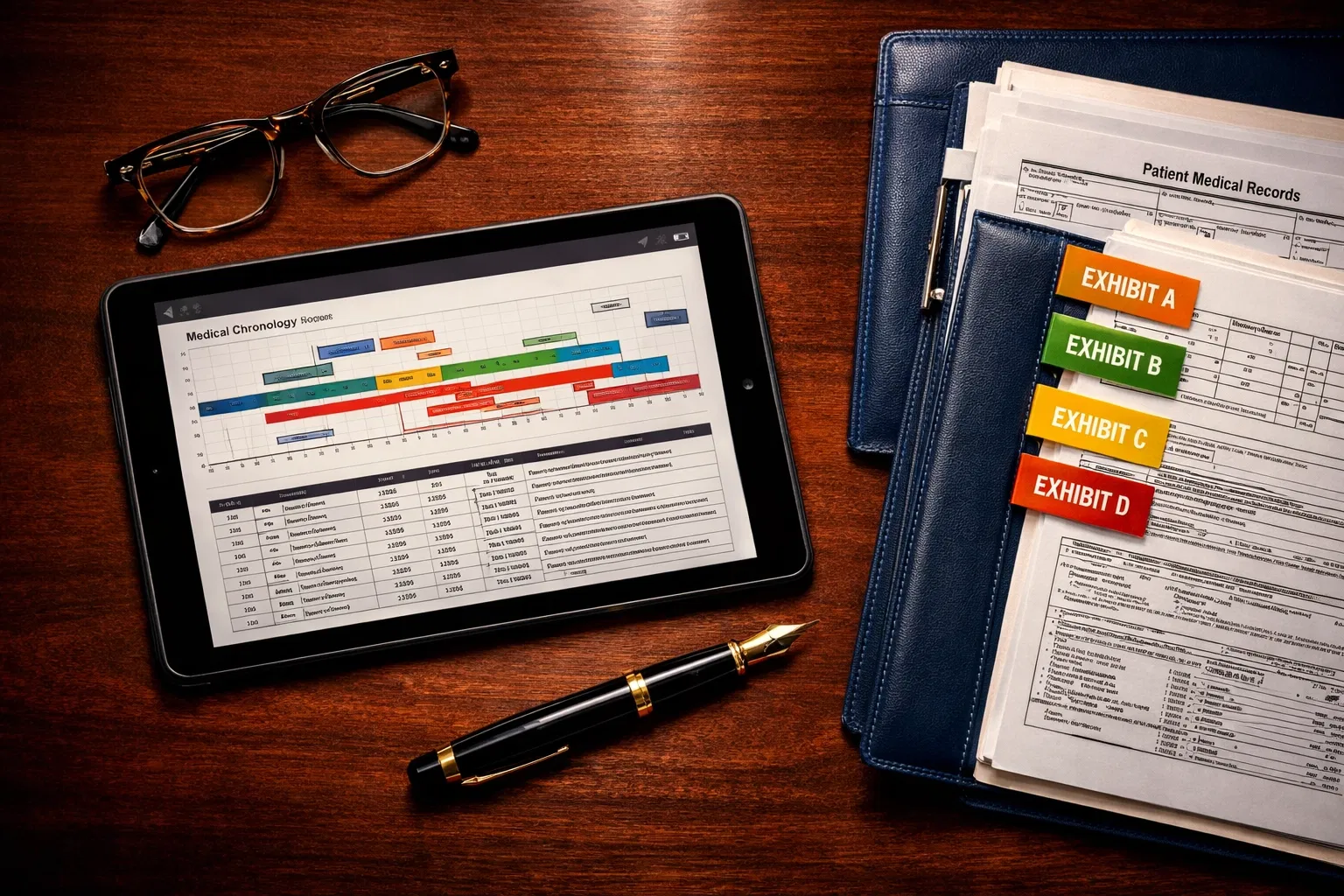
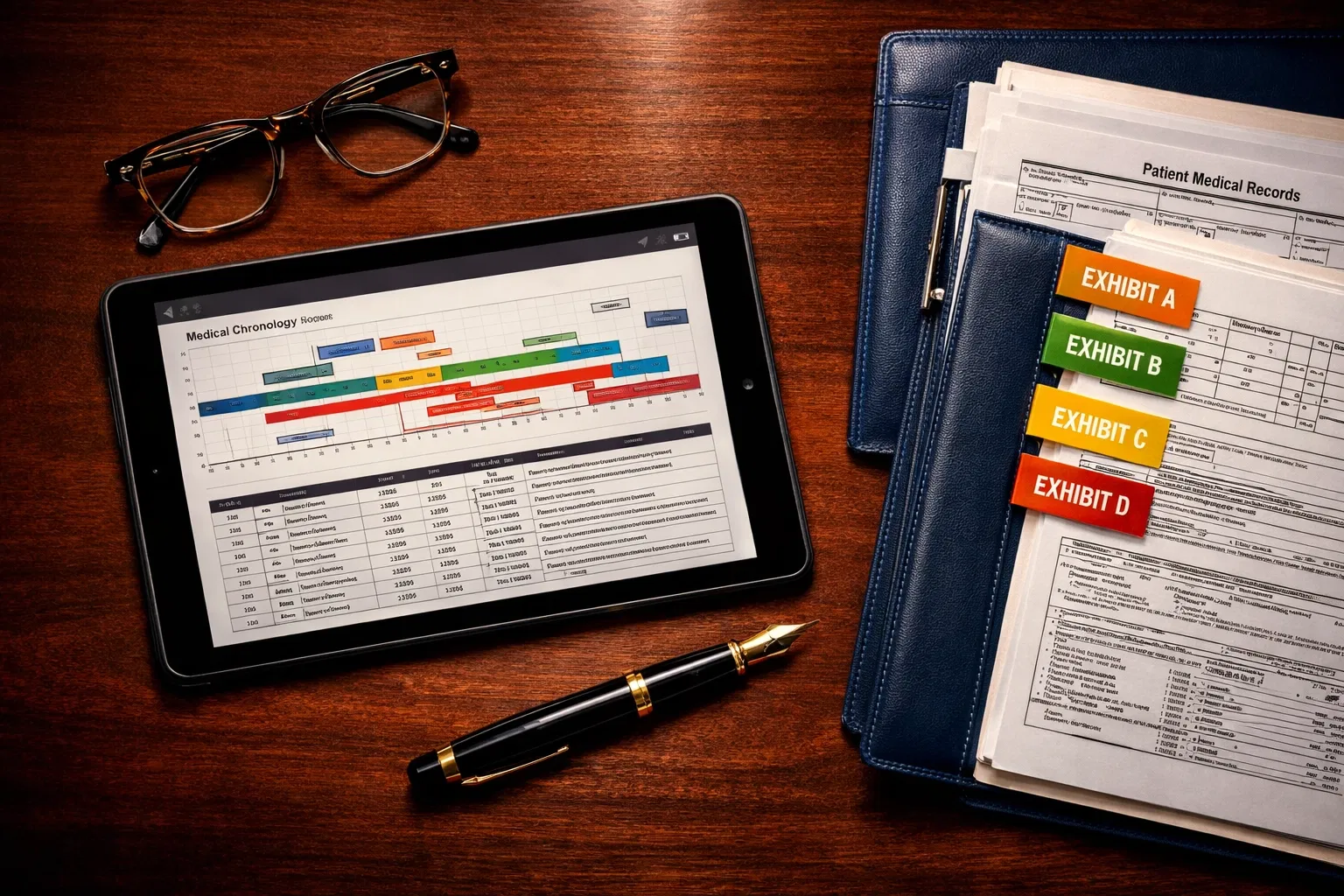
Map the timeline: We create chronologies that highlight every gap, cross-referenced with what should have been documented based on physician orders, facility policies, and standard nursing practice.
Compare against standards: Missing documentation isn't automatically negligence. We evaluate whether the gaps violate the facility's own policies, state regulations, or accepted nursing standards. This distinction matters when you're establishing breach of duty.
Identify patterns: One missing vital sign could be an oversight. Systematic gaps across multiple shifts? That suggests a staffing problem, training deficit, or culture of inadequate documentation: all of which strengthen your case.
Prepare deposition questions: Nothing rattles a defendant nurse like being asked to explain a four-hour charting gap during a patient's decline. We help you craft questions that expose the silence without giving witnesses room to wiggle.
Support expert testimony: When your nursing expert takes the stand, they need ammunition. Our analysis provides the foundation for opinions about what care was (or wasn't) provided based on the documentary record.
Real Talk: Why This Matters More in 2026
Electronic health records were supposed to solve documentation problems. In some ways, they have. Timestamps are automatic. Templates prompt for required fields. Audit trails track who accessed what and when.
But EHRs have also created new blind spots.
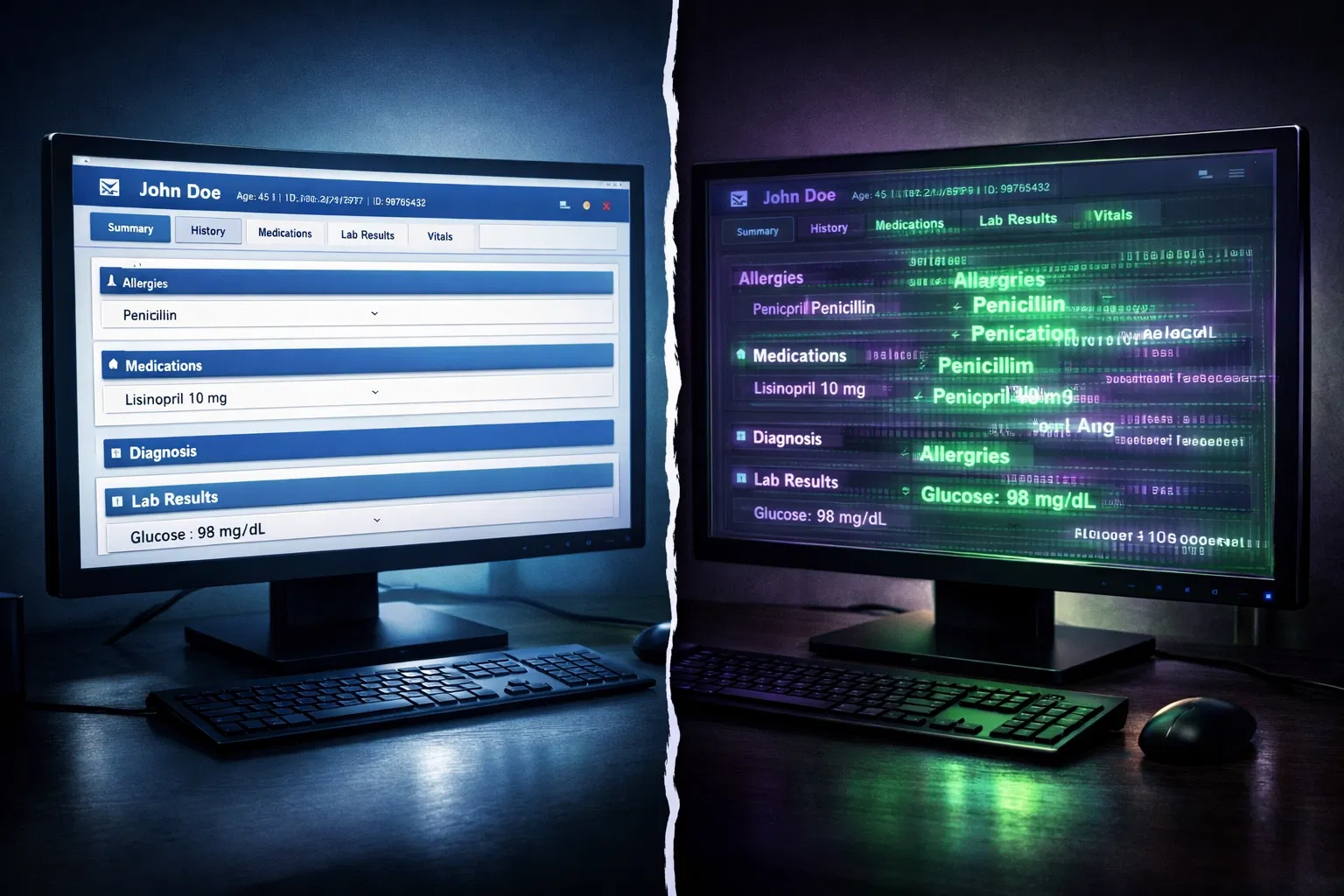
Copy-and-paste charting means assessments from one shift get duplicated to the next: even when they're no longer accurate. Auto-populated fields can mask the fact that no actual assessment occurred. And the sheer volume of electronic data makes it harder to spot what's missing.
A legal nurse consulting firm with experience in modern EHR systems knows where to look. We understand how different platforms generate (or fail to generate) documentation. We know which fields are auto-filled and which require active input. And we know how to pull metadata that reveals the true timeline of charting: not just what appears on the printed record.

The Cases That Turn on Silence
Let's get concrete.
Nursing home neglect: A resident develops a stage 4 pressure ulcer. The wound care documentation shows sporadic entries with weeks-long gaps. No turning schedules. No skin assessments. The silence proves that preventive care wasn't provided: and that's the whole case.
Hospital falls: A post-surgical patient with documented confusion falls and sustains a traumatic brain injury. The chart shows fall precautions were ordered, but there's no documentation of implementation. No bed alarm checks. No hourly rounds documented. The orders existed; the care didn't.
Medication errors: A patient receives the wrong dose of a high-alert medication. The MAR shows it was given, but there's no pre-administration assessment and no monitoring afterward. The absence of documentation becomes evidence of inadequate safety protocols.
Delayed response to deterioration: Vital signs show a gradual decline over six hours. Nursing notes during that period? Absent. No physician notifications documented. No reassessments. The silence reveals that warning signs were either missed or ignored.
These aren't hypotheticals. They're the kinds of cases where medical-legal consulting makes the difference between a strong claim and a dismissed complaint.
What Attorneys Should Do Next
If you're handling medical malpractice or elder abuse cases, you need someone who speaks the language of nursing documentation fluently.
Don't wait until discovery is complete to bring in a legal nurse consultant. The earlier we review records, the faster we identify gaps: and the better positioned you are to request additional documentation, facility policies, staffing records, and other materials that fill in the picture.
The silence in medical records tells a story. Make sure you have someone on your team who can hear it.
Ready to uncover what's missing in your case files? OnPoint Legal Nurse Consulting specializes in finding the documentation gaps that turn cases around. Let's talk.